Introduction
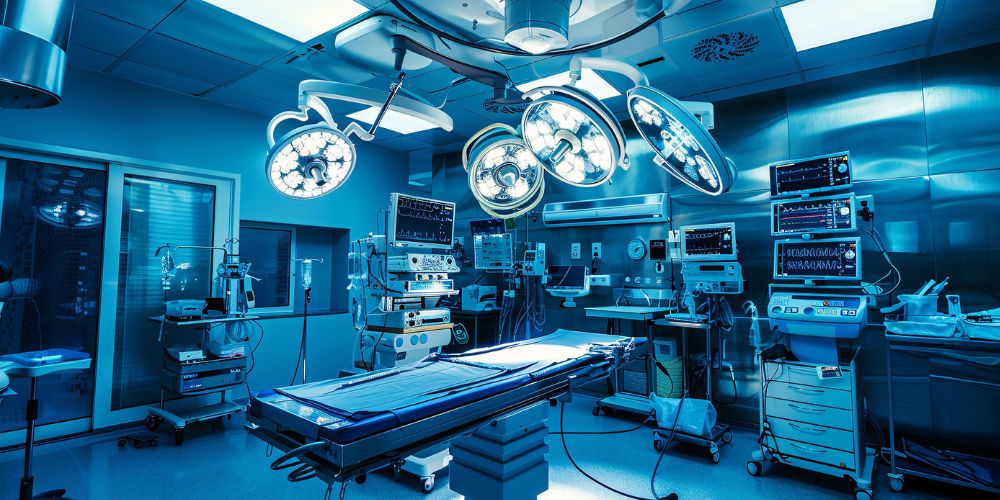
The healthcare industry demands precision, reliability, and strict quality standards in every manufacturing process. Medical device machinery plays a critical role in ensuring that healthcare products are produced efficiently, safely, and accurately.
From surgical instruments to diagnostic equipment and pharmaceutical products, modern medical manufacturing depends heavily on advanced automation systems. With the growing demand for healthcare products worldwide, manufacturers are increasingly investing in smart machinery and automation technologies.
Medical device manufacturing requires extremely high levels of precision because even minor errors can affect product quality and patient safety.
Importance of Medical Device Machinery
Medical device machinery helps manufacturers:
- Improve production speed
- Maintain product consistency
- Ensure precision manufacturing
- Reduce contamination risks
- Meet healthcare compliance standards
- Improve traceability and quality control
Automation has become essential in healthcare manufacturing because manual processes are often time-consuming and prone to human error.
Types of Medical Manufacturing Machinery
Automated Assembly Machines
Used for assembling medical components with high precision.
Inspection and Testing Systems
Ensure product quality and compliance with industry standards.
Robotic Handling Systems
Reduce contamination risks and improve manufacturing accuracy.
Packaging Automation Solutions
Help maintain sterile packaging processes.
Cleanroom Automation Equipment
Designed specifically for controlled healthcare manufacturing environments.
Benefits of Medical Automation
1. Improved Accuracy
Medical automation systems deliver highly precise operations required for healthcare products.
2. Faster Production
Automation increases manufacturing speed without compromising quality.
3. Reduced Contamination Risk
Robotic systems minimize human contact during production.
4. Better Compliance Management
Automated tracking systems help manufacturers maintain healthcare regulations.
5. Cost Efficiency
Automation reduces wastage and improves production efficiency.
Role of Robotics in Medical Manufacturing
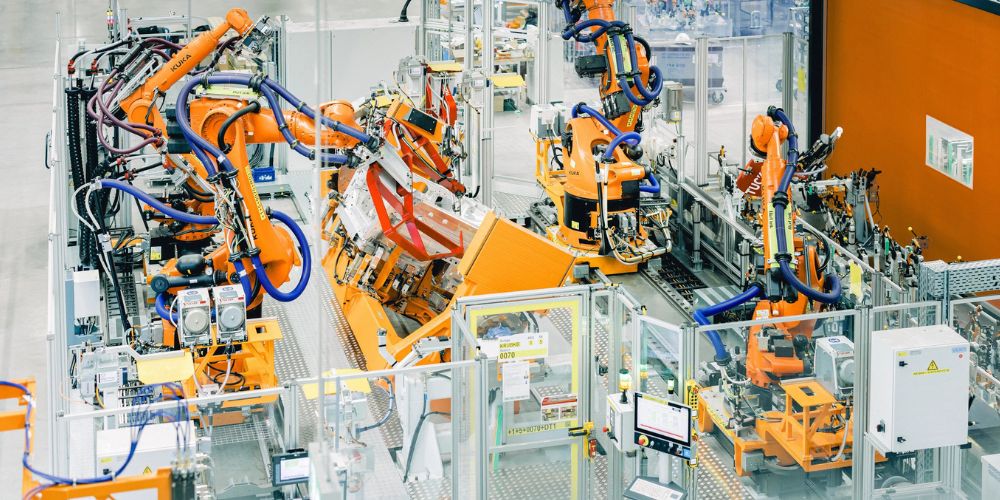
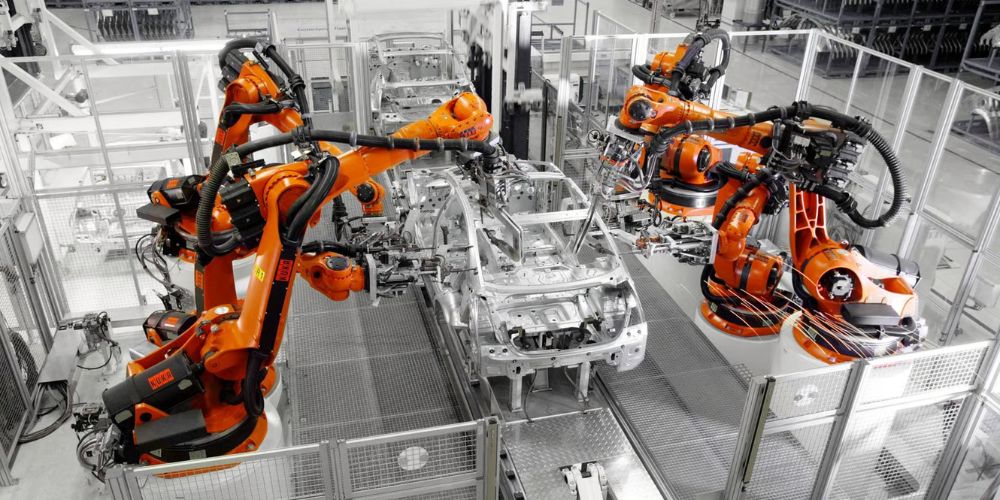
Industrial robotics is becoming increasingly important in healthcare manufacturing.
Robotic systems are used for:
- Precision assembly
- Laser cutting
- Inspection processes
- Packaging automation
- Sterile product handling
AI-powered robotic systems can also improve manufacturing quality by detecting defects in real time.
Future Trends in Medical Device Machinery
AI-Powered Manufacturing
Artificial intelligence will improve quality inspection and predictive maintenance.
Smart Monitoring Systems
IoT-based systems will allow real-time production tracking.
Advanced Robotics
Collaborative robots will improve manufacturing flexibility.
Sustainable Manufacturing
Energy-efficient machinery will reduce environmental impact.
Conclusion
Medical device machinery is shaping the future of healthcare manufacturing by improving precision, efficiency, and product safety. As healthcare demands continue growing, advanced automation technologies will play an even bigger role in medical production.
Bluemech Engineering provides innovative medical device machinery solutions designed to meet the highest standards of healthcare manufacturing.