Blog
Why Conveyor Systems Are Essential for Smart Industrial Operations

Introduction
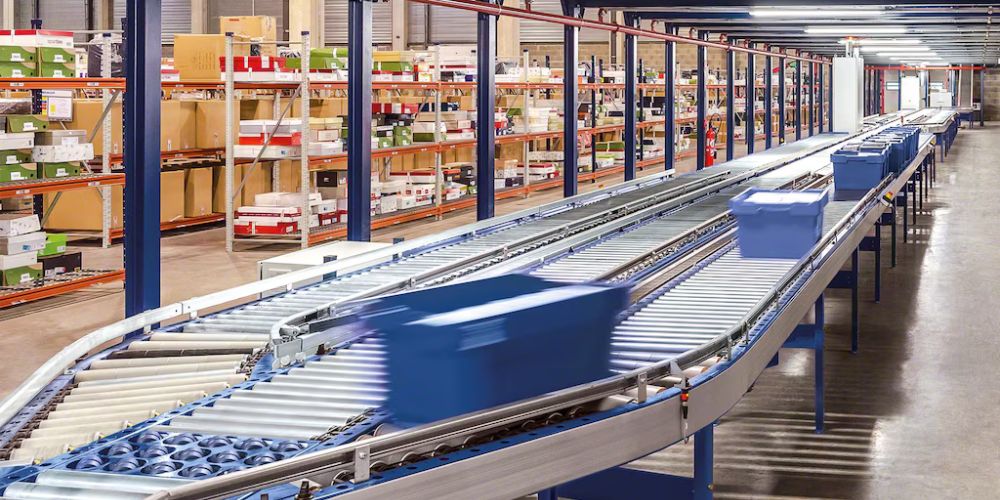
In today’s fast-moving industrial environment, efficient material handling is one of the most important factors for maintaining productivity and operational efficiency. Conveyor systems have become an essential part of modern manufacturing facilities, warehouses, logistics centers, and assembly lines.
Conveyor automation helps industries move products and materials safely, quickly, and efficiently from one point to another. Whether it is a small manufacturing unit or a large industrial plant, conveyor systems play a crucial role in improving workflow and reducing manual labor.
Modern industries are increasingly adopting conveyor solutions to streamline operations, improve workplace safety, and reduce production delays.
What Is a Conveyor System?
A conveyor system is a mechanical material handling solution designed to transport products, raw materials, or components automatically within an industrial facility.
Conveyors are commonly used in:
- Manufacturing plants
- Packaging industries
- Warehouses
- Food processing units
- Pharmaceutical industries
- Automotive production facilities
- Logistics and distribution centers
These systems improve operational speed and reduce manual handling efforts.
Types of Conveyor Systems
Belt Conveyors
Used for transporting lightweight and medium-weight products smoothly.
Roller Conveyors
Ideal for moving boxes, cartons, and heavy materials.
Chain Conveyors
Suitable for heavy-duty industrial applications.
Screw Conveyors
Commonly used for handling powders and granular materials.
Automated Conveyor Systems
Integrated with PLCs and sensors for intelligent automation.
Advantages of Conveyor Automation
1. Improved Productivity
Conveyor systems ensure continuous product movement, reducing delays and increasing operational efficiency.
2. Reduced Labor Dependency
Automation minimizes manual handling and reduces workforce requirements.
3. Enhanced Workplace Safety
Conveyors reduce the risk of injuries caused by heavy lifting and repetitive tasks.
4. Better Workflow Management
Material movement becomes more organized and streamlined.
5. Cost-Effective Operations
Reduced downtime and improved productivity help businesses save operational costs.
Smart Conveyor Technology
Modern conveyor systems are now equipped with:
- IoT monitoring systems
- Smart sensors
- PLC-based controls
- Automated sorting systems
- Real-time tracking solutions
These technologies improve operational visibility and help industries monitor performance efficiently.
Industries Using Conveyor Systems
Food Processing
Conveyors maintain hygiene and improve packaging speed.
Pharmaceutical Industry
Automated systems improve precision and product handling.
Automotive Manufacturing
Conveyors are essential for assembly line operations.
Warehousing and Logistics
Material movement becomes faster and more organized.
E-commerce Fulfillment Centers
Conveyors improve order processing speed and inventory management.
Future of Conveyor Automation
The future of conveyor systems lies in intelligent automation. Smart conveyor technologies powered by AI and IoT will help industries optimize operations, reduce downtime, and improve energy efficiency.
As industries continue adopting Industry 4.0 technologies, automated conveyor systems will become even more important in modern manufacturing environments.
Conclusion
Conveyor systems are essential for improving industrial productivity, workplace safety, and operational efficiency. Businesses investing in modern conveyor automation solutions are achieving faster production and better workflow management.
Bluemech Engineering provides advanced conveyor system solutions designed to meet the evolving needs of modern industries.