Introduction
Industrial automation and robotics are transforming the manufacturing sector across the world. Companies are adopting smart automation technologies to improve productivity, maintain product quality, and reduce operational costs.
Traditional manufacturing methods often involve repetitive manual tasks that consume time and increase the possibility of errors. Industrial robotics and automation systems solve these challenges by performing operations with greater speed, precision, and consistency.
Today, industries such as automotive, electronics, pharmaceuticals, packaging, and heavy engineering are rapidly moving toward smart manufacturing solutions.
What Is Industrial Automation?
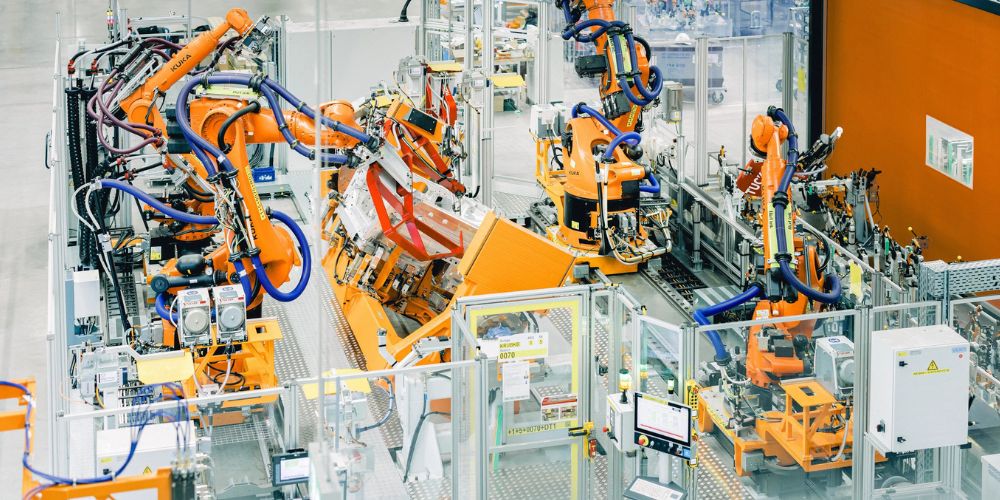
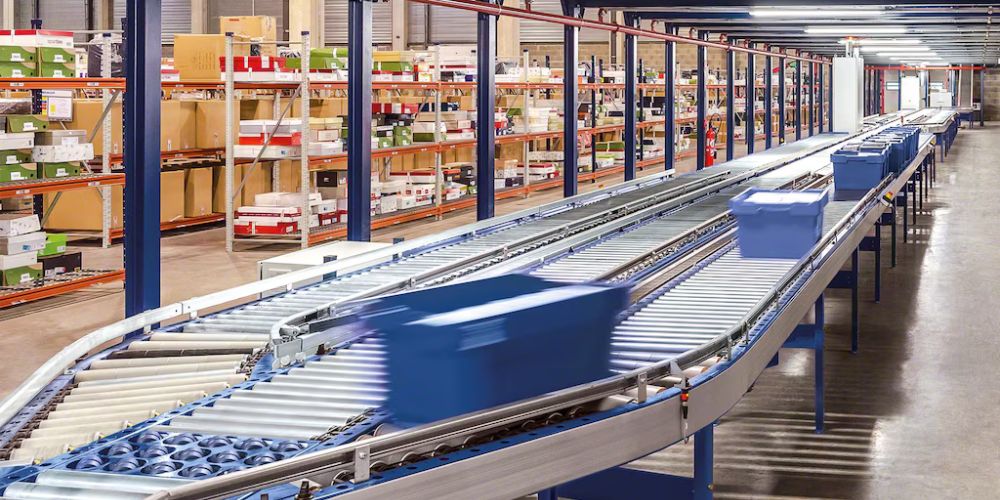
Industrial automation refers to the use of control systems, machinery, robotics, and software technologies to automate manufacturing and industrial operations.
Automation systems can perform:
- Material handling
- Product assembly
- Welding operations
- Inspection processes
- Packaging tasks
- Quality control operations
These systems reduce manual intervention and improve operational efficiency.
Benefits of Industrial Robotics
1. Increased Productivity
Robots can operate continuously without fatigue, increasing production output.
2. Improved Quality
Automation ensures consistent product quality and reduces manufacturing defects.
3. Better Workplace Safety
Robotic systems can handle hazardous industrial operations safely.
4. Reduced Operational Costs
Automation lowers labor dependency and minimizes production wastage.
5. Faster Production Cycles
Industrial robots improve manufacturing speed and operational accuracy.
Types of Industrial Automation Systems
Fixed Automation
Used for repetitive production tasks.
Programmable Automation
Suitable for batch production operations.
Flexible Automation
Allows quick changes according to production requirements.
Robotic Automation
Uses industrial robots for advanced manufacturing operations.
Smart Factory and Industry 4.0
Industry 4.0 is revolutionizing manufacturing through:
- Artificial Intelligence
- Machine Learning
- IoT-enabled devices
- Cloud monitoring systems
- Smart sensors
- Real-time data analysis
These technologies help manufacturers optimize production and improve decision-making.
Applications of Industrial Robotics
Automotive Industry
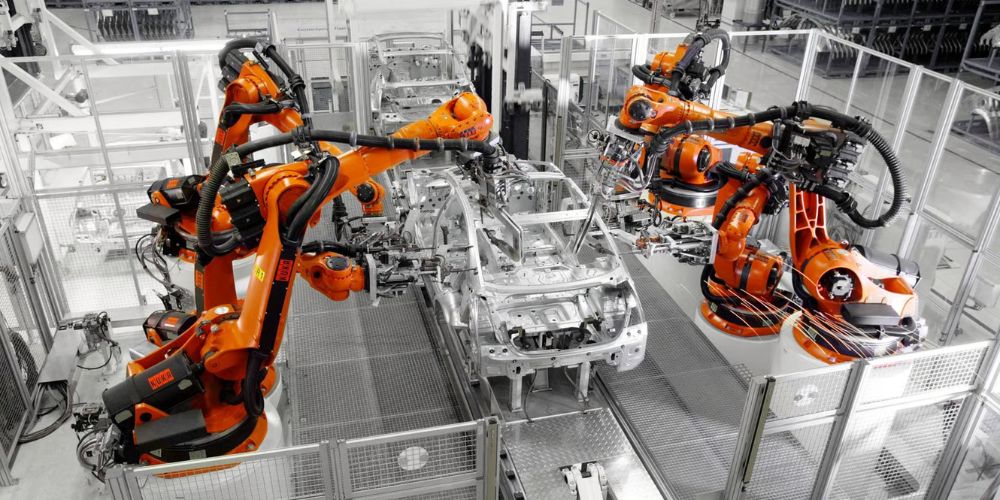
Used for welding, painting, and assembly operations.
Electronics Manufacturing
Improves precision component assembly.
Pharmaceutical Industry
Ensures hygienic and accurate production processes.
Packaging Industry
Increases packaging speed and consistency.
Heavy Engineering
Handles heavy-duty industrial operations safely.
Future of Industrial Automation
The future of manufacturing will rely heavily on intelligent automation systems. AI-driven robotics and smart monitoring technologies will continue improving industrial productivity and operational efficiency.
Collaborative robots, predictive maintenance systems, and real-time analytics will become essential parts of modern smart factories.
Conclusion
Industrial automation and robotics are helping industries achieve smarter, faster, and more efficient manufacturing operations. Businesses investing in automation technologies are gaining long-term competitive advantages.
Bluemech Engineering provides advanced industrial automation and robotics solutions designed to support modern manufacturing industries.